
In today’s educational landscape, leveraging technology to engage students is more crucial than ever. Joinpd offers a robust platform that integrates seamlessly with Google Slides and Microsoft PowerPoint, allowing teachers to create interactive and engaging presentations. For educators new to Pear Deck or those looking to maximize its potential, understanding how to use this tool effectively can significantly enhance classroom instruction. This guide provides a comprehensive look at how teachers can harness Pear Deck’s features to foster an interactive and dynamic learning environment.
1. Getting Started with Pear Deck
1.1 Setting Up Your Account: To begin, you’ll need to create a Pear Deck account. Visit the Pear Deck website and sign up using your Google or Microsoft account. This quick setup grants you access to Pear Deck’s features and allows for integration with your existing presentation tools.
1.2 Installing the Pear Deck Add-On: Next, install the Pear Deck add-on or add-in for your preferred presentation software. For Google Slides:
- Go to the “Add-ons” menu.
- Search for “Pear Deck” and click “Install.”
For Microsoft PowerPoint:
- Go to the “Insert” tab.
- Select “Get Add-ins” or “Office Store.”
- Search for “Pear Deck” and click “Add.”
2. Creating Interactive Presentations
2.1 Designing Your Slides: Start by creating or opening a presentation in Google Slides or PowerPoint. Design your slides with clear, concise content and visually engaging elements. Pear Deck’s interactive features can then be added to enhance the presentation.
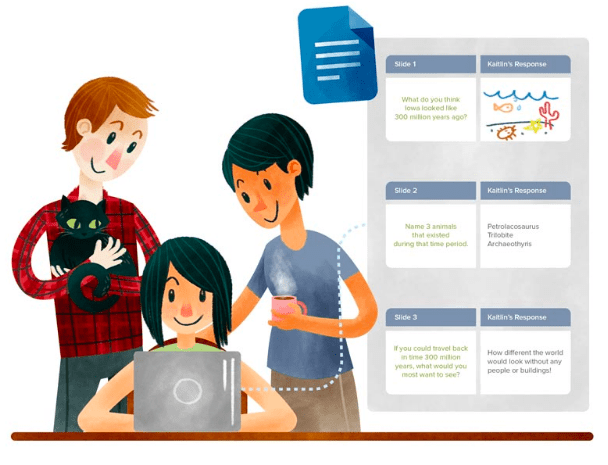
2.2 Adding Interactive Elements: Pear Deck offers several interactive tools to make your lessons more engaging:
- Multiple Choice Questions: These are ideal for quick assessments and can spark class discussions. For example, after presenting new material, ask a multiple-choice question to check for understanding.
- Short Answer Prompts: Use these for questions requiring more detailed responses. They are excellent for encouraging deeper reflection and gathering students’ thoughts on complex topics.
- Draggable Items: This feature allows students to drag and drop items on the screen, useful for sorting, categorizing, or sequencing activities. For instance, students can drag historical events onto a timeline or sort elements into different categories.
- Drawing Tools: Enable students to draw or annotate directly on the slides. This is particularly useful for subjects that involve visual representation, such as illustrating scientific processes or solving math problems.
2.3 Customizing Interactive Features: Adjust the settings for each interactive element according to your lesson’s needs. For example, you can set time limits for responses, allow or disallow anonymous submissions, and provide specific instructions for each activity.
3. Delivering Your Interactive Lesson
3.1 Starting the Lesson: When you’re ready to present, start the Pear Deck lesson from the sidebar. You’ll have the option to choose between two modes:
- Instructor-Paced Mode: You control the pace of the lesson and advance slides in real-time. This mode is effective for synchronous learning, where you guide students through the presentation step-by-step.
- Student-Paced Mode: Students move through the slides at their own pace. This mode works well for asynchronous assignments or when students need more time to complete activities.
3.2 Sharing the Join Link: Pear Deck generates a unique join link for your session. Share this link with your students to allow them to access the presentation from their devices.
3.3 Monitoring and Engaging: During the lesson, monitor student responses in real-time using the Pear Deck dashboard. This feature lets you see how students are interacting with the content and provides immediate feedback. Use this information to adjust your instruction, address questions, and facilitate discussions.
4. Reviewing and Reflecting
4.1 Analyzing Student Responses: After the lesson, review the data collected from student interactions. Pear Deck provides detailed reports on responses, which can help you identify patterns, areas where students struggled, and topics that may need further clarification.
4.2 Using Feedback for Improvement: Reflect on the feedback to refine your teaching strategies. Analyze which interactive elements were most effective and consider adjustments for future lessons. This continuous improvement process helps in creating more engaging and effective presentations.
5. Best Practices for Effective Use
5.1 Plan Interactive Elements Carefully: Integrate interactive features thoughtfully throughout your presentation. Ensure that each element has a clear purpose and aligns with your lesson objectives. Avoid overloading students with too many activities, and maintain a balance between interactive and traditional content.
5.2 Provide Clear Instructions: Make sure students understand how to interact with each slide and feature. Clear, concise instructions and examples can help students engage effectively with the content.
5.3 Test Before Presenting: Use the “Preview” feature to test how interactive elements will appear to students. This allows you to identify any issues and make adjustments before the actual lesson, ensuring a smooth presentation.
5.4 Foster a Positive Learning Environment: Create a classroom culture where students feel comfortable participating. Encourage active engagement, promote anonymous responses when necessary, and support a safe space for sharing ideas and asking questions.
5.5 Collaborate with Colleagues: Share your Pear Deck presentations with colleagues to get feedback or collaborate on lesson ideas. This can provide new perspectives and help enhance the quality of your interactive lessons.
Conclusion
Using Pear Deck effectively involves setting up your account, designing engaging slides, incorporating interactive features, and continuously reflecting on your teaching practices. By integrating Pear Deck’s tools into your lessons, you can create dynamic and interactive learning experiences that capture students’ attention and enhance their understanding. Embrace these strategies to make the most of Pear Deck and transform your classroom into an interactive learning environment that fosters engagement and academic growth.
 Peardeck Joinpd